
New Challenges and a Smarter Path Forward
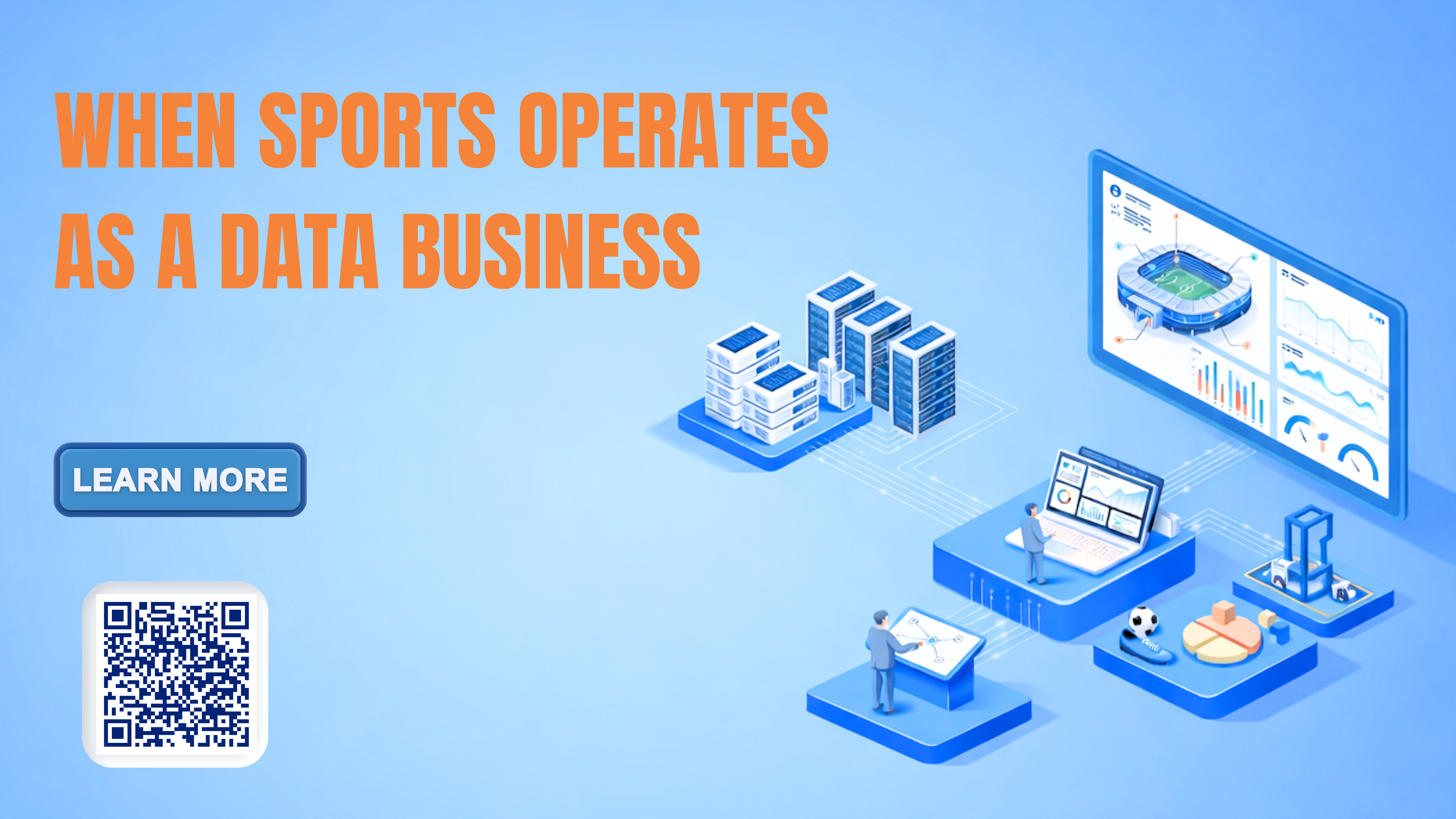
The modern sports industry is no longer defined solely by competition on the field or attendance in the stands. Today, the real engine behind growth, engagement, and commercial success is data.
Sports organizations now operate complex digital ecosystems that generate, process, and depend on vast volumes of information. As a result, security, operational continuity, and trust are no longer secondary IT concerns. They have become core business imperatives that directly affect reputation, revenue, and long-term resilience.
A Fundamental Shift in the Sports Industry
Sports has evolved from an event-based model to a platform-based one.
Beyond matches and tournaments, organizations manage continuous digital operations that include content distribution, fan engagement platforms, sponsorship activation, commercial partnerships, and advanced analytics. Every interaction across this ecosystem produces data and relies on data to function effectively.
This shift has repositioned IT from a supporting role to the structural backbone of the organization.
Data as a Strategic Risk, Not Just an Asset
As data becomes central to operations, the nature of risk changes.
Sports organizations handle multiple high-value data types simultaneously, including personal information, health data, financial records, and proprietary digital assets. Any disruption or exposure can have immediate consequences for fan trust, partner confidence, and brand credibility.
At this stage, data loss is no longer just an operational issue. It represents a loss of control, trust, and business confidence.
Compliance Pressure Moves Beyond Formality
Alongside growing data risk comes increasing regulatory scrutiny.
Privacy regulations, data protection requirements, and standards governing sensitive information now demand continuous oversight. The expansion of legalized sports betting in many markets has further intensified expectations around transparency and accountability.
Compliance is no longer about having policies in place. Organizations must be able to demonstrate active control, enforcement, and effectiveness at all times.
Technology Ecosystems Amplify Risk
To operate at scale, sports organizations rely on a broad range of third-party platforms, including ticketing systems, streaming services, marketing tools, CRM platforms, and analytics solutions.
While these integrations enable innovation and growth, they also expand the attack surface. Risk no longer resides solely within internal systems. It can originate from any external dependency within the technology ecosystem.
A single vulnerability can quickly escalate into an organization-wide incident.
Constant Change Challenges Traditional IT Models
Unlike many traditional industries, sports IT environments are rarely static.
Systems evolve with seasons, events, and campaigns. Data is distributed across departments with different objectives and tools. The flexibility required to support business demands increases operational complexity and reduces visibility.
Security models designed for stable environments struggle to remain effective under these conditions.
Human Capacity Becomes the Operational Bottleneck
As systems grow more complex, human resources remain limited.
IT teams are expected to maintain uptime, secure sensitive data, meet compliance requirements, and support innovation simultaneously. When responsibilities scale faster than capacity, risk emerges not from a lack of technology, but from processes that no longer match operational reality.
Manual Patching Creates Accumulated Risk
One of the clearest examples of this mismatch is patch and vulnerability management.
With a mix of standard and non-standard applications, manual patching becomes slow, inconsistent, and prone to oversight. Small gaps accumulate over time, creating systemic weaknesses that often go unnoticed until an incident occurs.
What appears to be a routine task becomes a silent source of long-term risk.
A More Effective Approach for Modern Sports Organizations
Solving these challenges does not require adding more tools. It requires a shift in approach.
Organizations must move from reactive security to proactive risk management. Automation reduces dependence on manual effort. Centralized management improves visibility and control. Most importantly, the right partnership enables organizations to extend their capabilities without increasing internal complexity.
Security becomes an enabler of continuity, not a constraint on growth.
Where Performance Meets Resilience
In today’s sports industry, success is no longer determined solely by performance on the field. It is defined by an organization’s ability to operate securely, protect critical data, and maintain trust within a rapidly evolving digital ecosystem. Those who achieve this balance build resilience that extends far beyond a single season or competition.
At ITM, cyber resilience starts with the right partnership. Delaying protection is one of the most costly decisions a business can make. True readiness means staying operational through disruption, recovering quickly, and continuing to deliver without losing trust.
ITM works alongside your team to close security gaps, automate protection, and align compliance so resilience is built into daily operations, not added after incidents.
Be ready before the next threat puts your business to the test! Connect with ITM to start building long-term cyber resilience.