
Why Internet Safety Is Built Through Everyday Habits
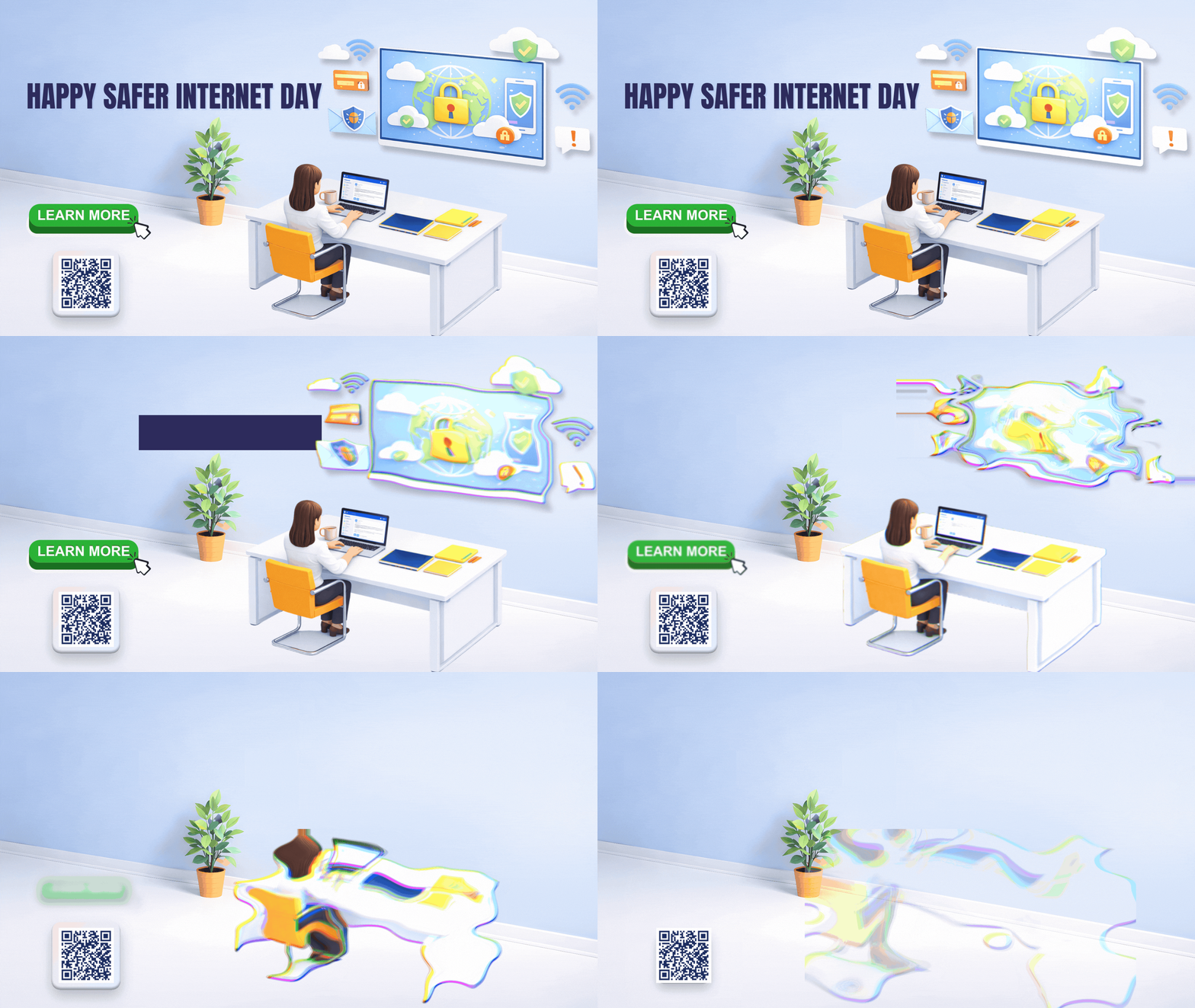
Safer Internet Day is observed globally to encourage safer and more responsible use of digital technologies. Beyond advanced cyberattacks and technical vulnerabilities, this initiative draws attention to a simpler but often overlooked reality: Many cybersecurity incidents begin with ordinary actions carried out during routine online interactions.
Emails, text messages, QR codes, shared documents, and internal requests are now inseparable from daily work and personal life. Because these interactions feel familiar and legitimate, they often escape scrutiny. Safer Internet Day reminds us that cyber risks rarely announce themselves through system failures or visible alerts. Instead, they emerge quietly through everyday behavior.
Can You Spot the Risk? Everyday Scenarios That Challenge Cyber Awareness
Many people believe they would recognize a cybersecurity threat immediately. They understand basic security principles, follow organizational policies, and feel confident navigating digital tools. In reality, cyber risks are rarely obvious. They are embedded in situations that appear reasonable, time-sensitive, and familiar.
One common scenario begins with an email offering an unusually attractive deal with the price is far below market value, the opportunity feels exclusive, and the message emphasizes urgency. To secure the offer, the recipient is asked to scan a QR code within a short time frame. There are no technical warnings, no visible errors, and no signs of system compromise. The urgency discourages verification, increasing the likelihood that the user quickly scans the QR code, which is then silently redirected by attackers to a malicious website designed to capture credentials or initiate unauthorized actions
Another scenario arrives as a simple text message stating that a package cannot be delivered. The message references a service people interact with frequently, making it feel routine rather than suspicious. A link is provided to update delivery information. The action seems harmless and efficient, yet the linked page may be designed to collect personal data without triggering any immediate alarm.
A third scenario unfolds inside the workplace. A message appears to come from the CEO, requesting an urgent transfer of funds to an unfamiliar vendor. The tone is direct and time-sensitive. Employees feel pressure to act quickly and hesitate to question senior authority. The request aligns just enough with normal business operations to bypass scepticism, and the transfer may occur before any verification takes place.
What connects these scenarios is not technical sophistication, but psychological realism. Systems continue to function normally. There are no alerts, outages, or visible failures. The risk emerges entirely from human decision-making under pressure.
Why Cyber Risks Often Appear Ordinary
Cybersecurity incidents rarely begin with dramatic system events. They often start with trust, urgency, and convenience. Attackers increasingly rely on social engineering techniques because they target human instincts rather than technical weaknesses.
Messages that demand immediate action reduce the likelihood of verification. Requests that appear to come from trusted sources lower skepticism. Familiar communication channels create a sense of safety. Safer Internet Day encourages individuals and organizations to recognize these patterns and understand that risk often hides within routine interactions.
Building Awareness and Long-Term Digital Resilience
Technology plays a critical role in protecting digital environments, but it cannot fully compensate for rushed decisions or unclear verification processes. Ultimately, internet safety is shaped by people as much as technology.
Effective awareness enables individuals to pause, question unusual requests, and verify information through trusted channels. It is not built on fear or blame, but on creating space for careful decision-making and encouraging early reporting of suspicious activity.
Organizations that invest in ongoing education including regular training, phishing simulations, and clear security policies help integrate safe behavior into daily routines. When employees feel supported rather than pressured, awareness becomes a sustained practice, strengthening collective resilience and reducing long-term exposure to cyber threats.
Strengthening the Foundations of Internet Safety
Strong security habits form the foundation of safer online behavior. Using unique passwords for different accounts, avoiding personal information in credentials, and relying on password managers significantly reduce exposure to credential-based attacks.
Multi-factor authentication adds a critical layer of protection. Even when credentials are compromised, additional verification steps prevent unauthorized access. These measures are simple, yet they remain among the most effective defenses available when applied consistently.
Recognizing and Responding to Phishing Attempts
Phishing continues to be one of the most common and damaging cyber threats because it adapts to how people communicate. Messages are often well-written, contextually relevant, and designed to create urgency.
Unfamiliar sender addresses, unexpected links, requests for sensitive information, or pressure to act quickly are common indicators of risk. Recognizing these signs requires attentiveness rather than advanced technical knowledge. Safer Internet Day reinforces the importance of slowing down and verifying before responding.
Securing Devices in Everyday Environments
Devices are central to modern work and personal life, making their security essential to overall internet safety. Regular software updates help close known vulnerabilities before they can be exploited. Trusted security software supports early detection and prevention of malicious activity.
Physical security should not be overlooked. Lost or stolen devices can expose sensitive data if safeguards are not in place. Internet safety extends beyond the screen into the physical environments where devices are used.
Data Protection as a Pillar of Internet Safety
Internet safety is not only about prevention, but also about resilience. Accidental deletion, device loss, or cyber incidents can disrupt operations if data is not recoverable.
Reliable backup practices ensure that critical information remains accessible when incidents occur. Maintaining multiple copies of data across different storage locations helps organizations recover quickly and reduce operational impact. Preparedness transforms unexpected incidents from crises into manageable disruptions Safer Internet Day as an Ongoing Commitment
Safer Internet Day is not just a symbolic event on the calendar. It represents an ongoing commitment to safer habits, informed decision-making, and shared responsibility in an increasingly connected world.
By reinforcing awareness, strengthening everyday practices, and supporting users with the right guidance, individuals and organizations can reduce risk, protect critical information, and navigate the digital landscape with greater confidence.
Strengthen Your Organization’s Digital Safety
Safer Internet Day is a reminder that cybersecurity starts with people, habits, and informed decisions not just technology.
At ITM, we support organizations in building practical awareness and long-term resilience by helping teams understand how everyday online behavior can introduce risk, and how to respond with confidence.
Our approach helps organizations:
-
- Identify common cyber risks hidden in routine emails, messages, and digital interactions
- Understand how phishing, social engineering, and human error lead to real incidents
- Encourage safer habits when using email, mobile devices, cloud services, and collaboration tools
- Improve data protection readiness so information remains recoverable when incidents occur
- Build a culture of awareness that supports early detection and responsible action
Through ITM’s security awareness initiatives and data protection services, organizations gain both the knowledge and structure needed to reduce risk before it turns into disruption.
Partner with ITM to strengthen your digital safety, so your teams can work confidently while your business stays protected.